Everything we do, explained properly
No jargon and no upselling — what each treatment actually involves, how long it takes, and who it is right for.
Implants
5 treatments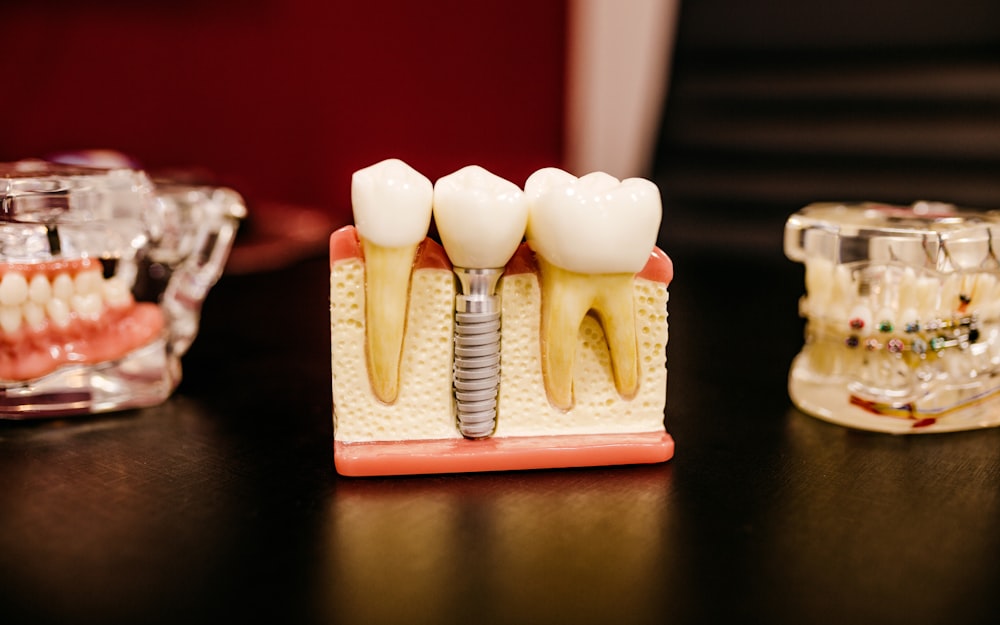
Dental Implants
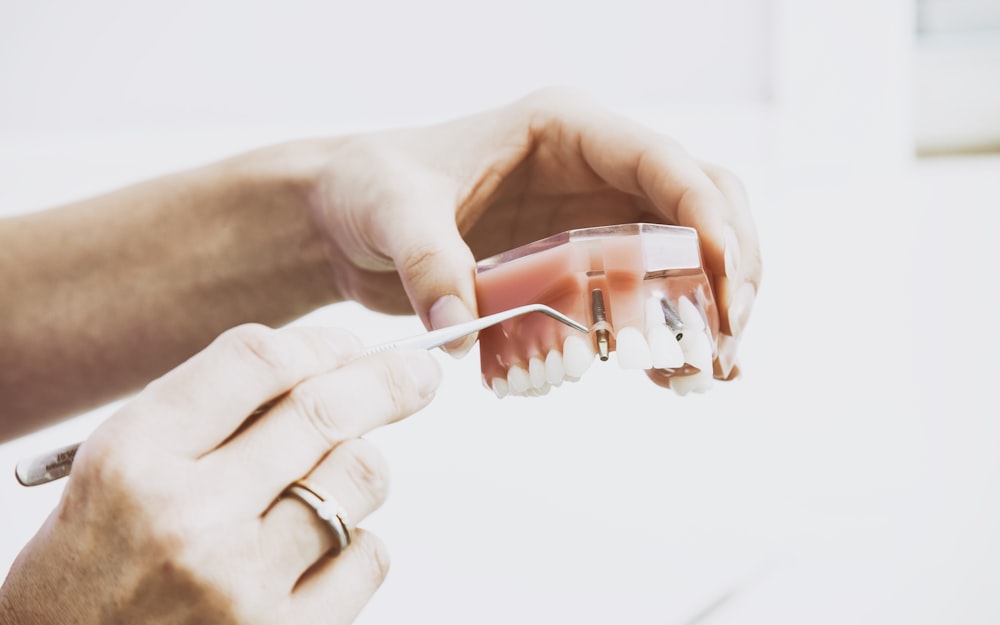
Titanium roots that fuse with your jaw — a permanent replacement that looks, feels and bites like a natural tooth.
All-on-4 and All-on-6 Full-Arch Implants
A fixed implant bridge for a jaw with no teeth or failing teeth: how All-on-4 and All-on-6 differ, and how we choose between them.
All-on-4 Dental Implants
Four implants, the back two angled: a fixed bridge for a toothless jaw or failing teeth, planned to reduce the need for bone grafts.
All-on-6 Dental Implants
A fixed full-arch bridge on six implants: for the upper jaw, a strong bite or a long arch, where the load needs spreading over more points.
Dental Bone Grafting
Rebuilding lost bone volume when too little is left for an implant: types of graft, when one is needed and how long healing takes.
Aesthetic Dentistry
5 treatments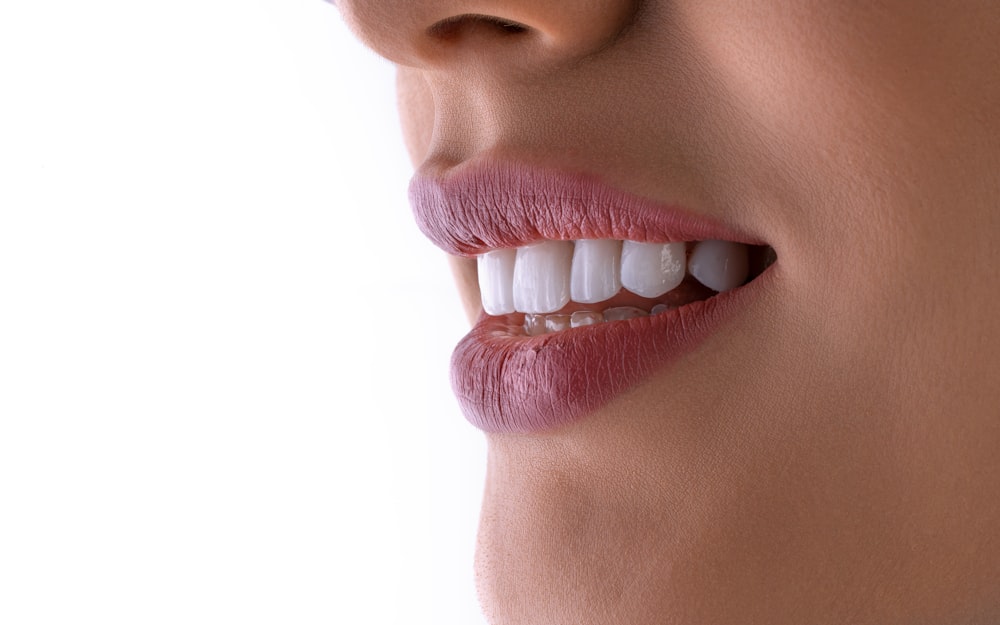
Porcelain Veneers
Wafer-thin ceramic shells bonded to the front of your teeth — the fastest route to an even, bright, natural smile.
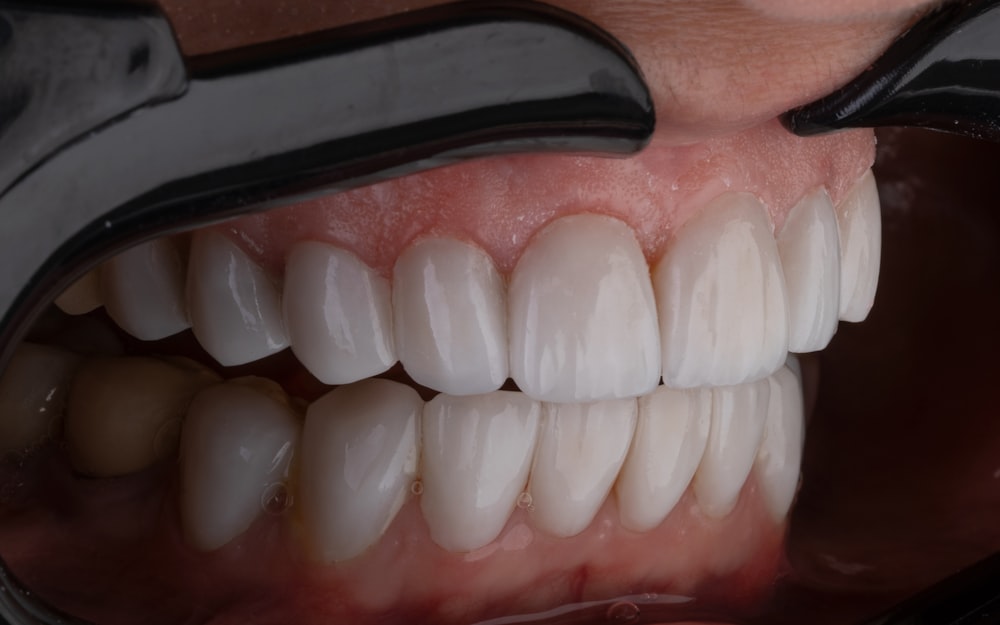
Composite Bonding
Reshape chips and gaps in a single visit — no drilling, same-day smile.
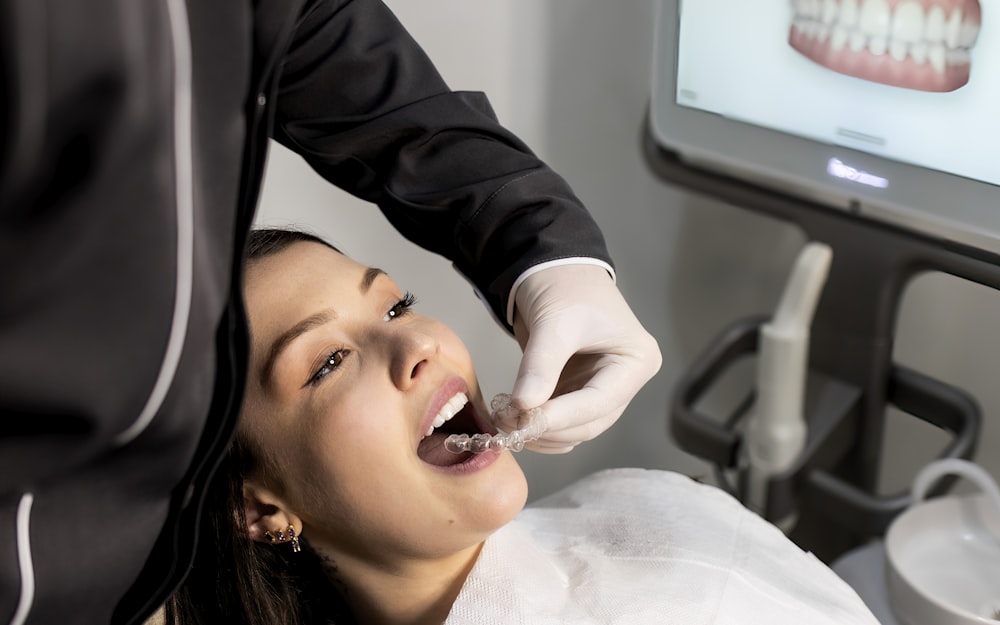
Digital Smile Design
Preview your new smile in 3D before a single tooth is touched.
Zirconia Crowns
Metal-free crowns milled in our own lab — strong enough for molars, translucent enough for front teeth.
Porcelain Inlays and Onlays
Ceramic fillings made from an impression and bonded in place, for teeth too damaged for a filling but too sound for a crown.
Whitening
1 treatment
Orthodontics
2 treatments
Dentures & Prosthetics
4 treatmentsDentures and Prosthetic Dentistry
Replacing missing teeth with a fixed or removable prosthesis: which type suits which situation, and how the decision is actually made.
Implant-Supported Prosthetics
Crowns, bridges and full-arch prostheses on implants: screw-retained or cemented, removable or fixed, and how to look after them.
Partial Dentures
A removable denture that clips onto your remaining teeth to replace the missing ones: the types, their limitations and daily care.
Full Dentures
A removable denture that rests on the gums and palate when no teeth are left: how it is made, getting used to it, relining and care.
Oral Surgery
8 treatmentsTooth Extraction
When a tooth really has to come out, when a root canal can save it, the aftercare rules and how to fill the gap that is left.
Surgical Tooth Extraction
How broken, curved-root or bone-fused teeth are removed by opening the gum and dividing the tooth if needed — plus healing and dry socket.
Wisdom Tooth Removal
When a wisdom tooth should come out and when it can stay; pericoronitis, closeness to the nerve and how the swelling settles day by day.
Impacted Tooth Surgery
Impacted teeth other than wisdom teeth: bringing a canine into place with braces, when it is removed instead, and cysts around buried teeth.
Sinus Lift
Surgery that raises the sinus floor and places a graft beneath it, making room for implants where the upper back jaw lacks bone.
Apicoectomy (Root-End Surgery)
Minor surgery that removes the root tip and infected tissue when inflammation persists after root canal treatment, without extracting the tooth.
Dental Cyst Removal (Enucleation)
Removal of a tooth-related jaw cyst, often found by chance on an X-ray, together with its lining, followed by laboratory examination.
Pre-Prosthetic Surgery
Minor surgery to correct the bone and gum a denture rests on: sharp bone edges, tori, attachments that lift the denture, excess tissue.
Gum Treatment
9 treatmentsGum Disease Treatment (Periodontics)
From bleeding gums to loose teeth: how gum disease is diagnosed, and the order in which it is treated, from cleaning through to surgery.
Scale and Polish (Tartar Removal)
How tartar that brushing cannot shift is removed with ultrasonic tips and polishing, how often you need it, and the truth behind common myths.
Deep Cleaning (Root Planing)
Deep gum treatment that clears tartar and bacteria out of the pockets below the gum, area by area, under local anaesthetic.
Gum Abscess Treatment
A sudden, painful swelling in the gum: whether the abscess comes from the gum or the root, how it is drained and when antibiotics are needed.
Periodontal Flap Surgery
When deep pockets remain after deep cleaning, the gum is opened and the roots cleaned in full view: who needs it, how it is done, how healing goes.
Gum Recession Treatment
With receding gums we first find and stop the cause; only where it is needed do we cover the exposed root surface with a graft.
Connective Tissue Graft
Gum surgery that uses a thin piece of tissue from your palate to cover an exposed root surface and to thicken thin gums.
Gum Aesthetics (Gummy Smile)
For a gummy smile or an uneven gum line, we first work out whether the problem is the gum, the teeth or the lip, then treat that.
Gingivectomy and Gingivoplasty
Removing gum that covers too much of the tooth and reshaping its edge; if there is too little room to the bone, crown lengthening is needed.
Root Canal Treatment
2 treatmentsRoot Canal Treatment
Cleaning out an inflamed or dead tooth nerve and sealing the canals to keep the tooth; usually the first option to consider before extraction.
Root Canal Retreatment
When a root-filled tooth hurts, swells or shows unhealed infection at the root tip: removing the old filling and cleaning the canals again.
Restorative Dentistry
3 treatmentsTooth-Coloured (Composite) Fillings
Repairing a decayed or broken tooth with tooth-coloured composite: when old amalgam should be replaced, and where a filling reaches its limit.
Restoring Worn Teeth
Rebuilding teeth shortened and thinned by clenching, acid or hard brushing with composite or ceramic, after first finding the cause.
Sensitive Teeth Treatment
Finding the cause of the short, sharp pain from cold or brushing, sealing exposed dentine, and telling it apart from decay or a crack.
Children’s Dentistry
5 treatmentsSpace Maintainers
A small appliance that holds open the gap left by a baby tooth lost too early, reducing drift and the risk of crowding later on.
Baby Tooth Treatment
Baby molars chew and hold space until age 10–12; fillings, pulpotomy and steel crowns can keep them healthy until they fall out.
Fluoride Varnish
Fluoride varnish brushed onto the teeth strengthens enamel and helps stop early decay; the whole application takes a few minutes.
Fissure Sealants
The deep grooves on the chewing surfaces of molars are sealed with a flowable resin; no numbing or drilling, a few minutes per tooth.
Dental Trauma: Broken and Knocked-Out Teeth
If an adult tooth is knocked out, the first hour decides: hold it by the crown, put it back or keep it in milk, and see a dentist at once.
Jaw Joint & Special Care
3 treatmentsBruxism (Teeth Grinding) Treatment
Clenching and grinding wear teeth down and tire the jaw; a custom night guard and habit control protect your teeth and restorations.
Jaw Joint (TMJ) Disorders
A clicking, locking or painful jaw rarely needs surgery; we start with the conservative route: a splint, exercises and changes to daily habits.
Sedation Dentistry
Treatment under sedation for dental fear, a strong gag reflex or long surgery, given by an anaesthetist with continuous monitoring.
Diagnostics
1 treatmentFrom first visit to follow-up
- 01
Examination and imaging
We examine your mouth and, where needed, take an X-ray or 3D scan. You see what we see.
- 02
A written plan
Options, number of visits and timing in writing. No pressure to decide on the day.
- 03
Treatment
We carry out the plan and explain what we are about to do at the start of every visit.
- 04
Check-ups
Follow-up visits to make sure the result holds, and clear instructions for looking after it.
Not sure which treatment you need?
Tell us what is bothering you or send a photo — we will point you to the right first step.
Prices change with our current offers, so we don’t publish a fixed list. Message us for an up-to-date quote and the best available price — treatment packages come with additional discounts.